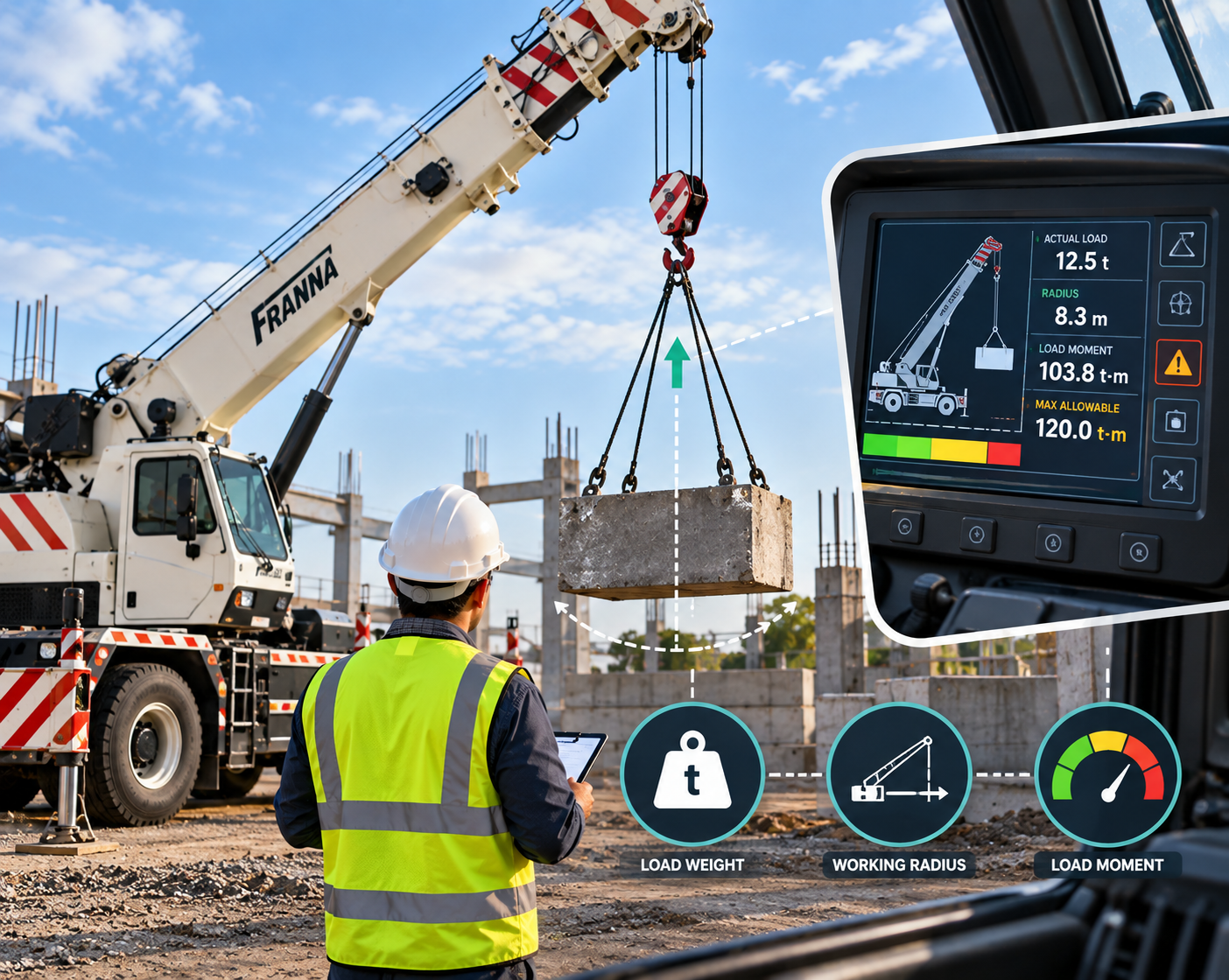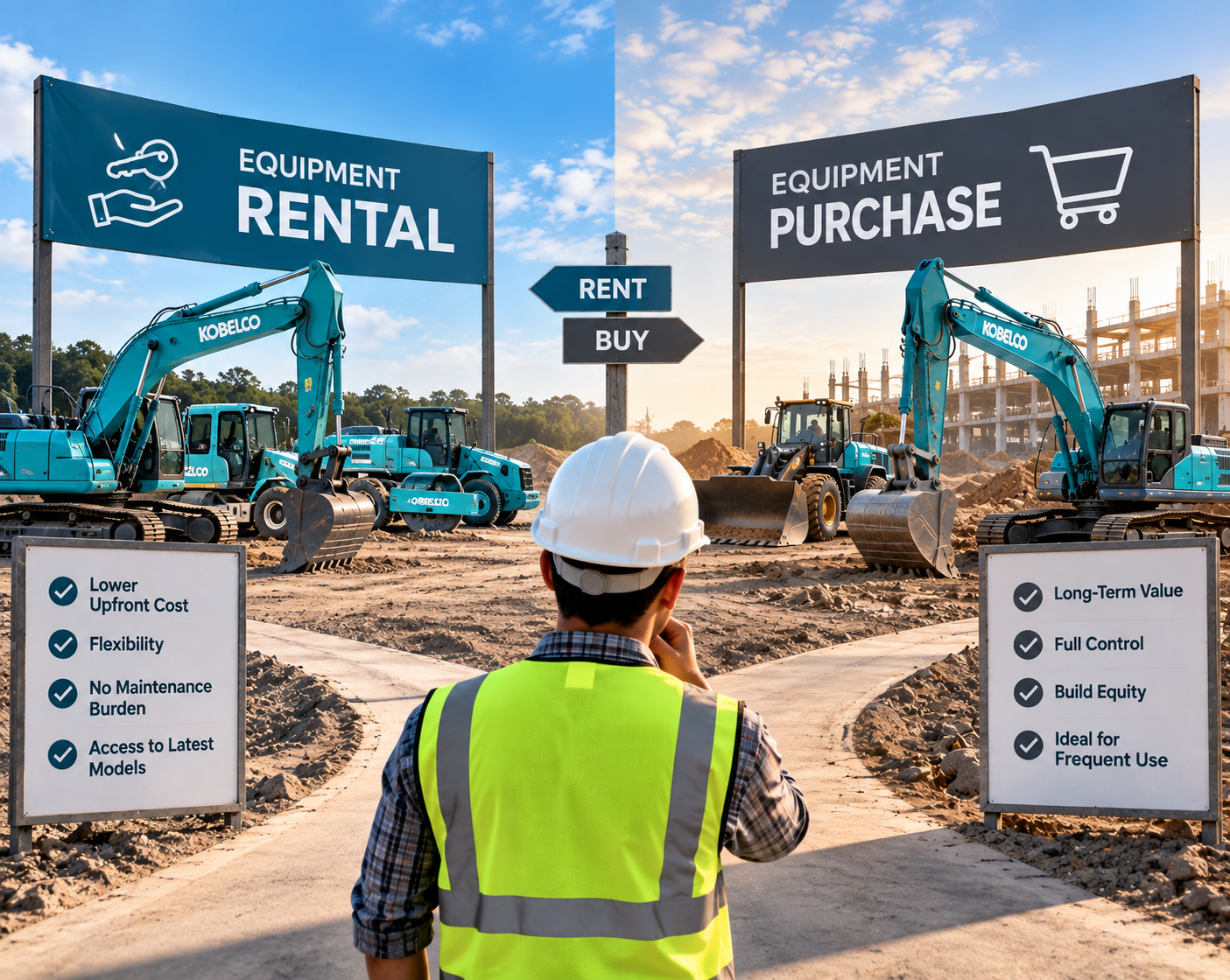
















Heavy equipment is built to work under demanding conditions, but every machine has components that require regular inspection, servicing and replacement. Excavators, cranes, loaders, telehandlers and material handling equipment all depend on properly maintained engines, hydraulics, transmissions, filtration systems and other components.
For equipment owners, preventive maintenance and the use of the right spare parts can help reduce unexpected equipment issues and keep machines ready for operation. The focus should not be only on repairing a machine after a breakdown, but also on identifying maintenance requirements before they become larger problems.
Why Preventive Maintenance Matters
Preventive maintenance involves inspecting and servicing equipment at planned intervals instead of waiting for a component to fail.
Maintenance requirements vary according to the equipment, manufacturer recommendations, operating hours and working conditions. A machine working in a dusty construction or mining environment may have different maintenance requirements from one operating in a controlled industrial environment.
Regular maintenance can include:
- Engine inspection and servicing
- Hydraulic system checks
- Transmission and drivetrain inspection
- Filter replacement
- Brake system inspection
- Electrical system checks
- Tyre and undercarriage inspection
- Attachment and wear-part inspection
Following the manufacturer’s recommended service schedule provides a starting point for deciding when inspections and component replacements are required.
Why Genuine Spare Parts Matter
When a component needs replacement, choosing the correct spare part is important. A part that looks similar to the original does not necessarily have the same specifications or compatibility.
Genuine spare parts are designed for the equipment and systems they are intended to support. Using the correct component helps maintain compatibility with the machine and its operating requirements.
This is particularly relevant for components such as filters, hydraulic parts, drivetrain components, braking systems and other equipment-specific parts.
When ordering a replacement, equipment owners should provide the machine make, model, serial number and part number where available. Accurate equipment information makes it easier to identify the required component.
For AMC Group, spare parts are an important part of equipment support. Through ASEPL, the group provides parts and service support for the equipment it serves, helping customers address routine replacement and maintenance requirements.
Which Equipment Parts Need Regular Attention?
Not every component has the same maintenance cycle. Some parts require periodic replacement, while others need inspection based on their condition and operating environment.
Filters
Filters play an important role in protecting equipment systems from contamination. Heavy equipment can use different types of filtration systems for air, fuel, oil, hydraulic fluids and other applications.
A blocked or damaged filter can affect the system it is designed to protect. Filter replacement should therefore follow the equipment manufacturer’s recommended intervals and the actual operating conditions.
AMC’s portfolio includes filtration solutions from brands such as Donaldson, which provides filtration products for applications including construction, mining and heavy equipment.
Hydraulic Components
Hydraulic systems are used extensively in excavators, cranes, loaders and material handling equipment.
Hydraulic pumps, motors, valves, cylinders and other components can experience wear during regular operation. Fluid contamination, leaks and component damage can affect system performance.
Hydraulic maintenance should include checking for leaks, inspecting components and following the recommended fluid and filtration requirements for the equipment.
Where a hydraulic problem is identified, proper diagnosis is important before replacing a component. The failed part may be a symptom of another issue within the system.
Drivetrain Components
The drivetrain transfers power to move the equipment and perform its intended work. Depending on the machine, this system can include transmissions, axles, torque converters, driveshafts and related components.
Heavy loads, long operating hours and demanding terrain can place additional demands on drivetrain systems.
AMC’s parts portfolio includes drivetrain solutions and components from brands such as Spicer and Dana, serving applications across construction, mining and material handling.
Wear Parts
Some components naturally experience wear because of the work they perform. Excavation, material handling, quarrying and other demanding applications can accelerate component wear.
Regular inspection helps identify when a component is approaching the end of its usable condition. Replacing it at the appropriate time can also prevent a worn component from affecting other parts of the machine.
Preventive Maintenance vs. Breakdown Maintenance
Breakdown maintenance happens after equipment develops a fault. In some situations, unexpected repairs cannot be avoided. However, relying entirely on breakdown maintenance can make equipment availability difficult to manage.
Preventive maintenance takes a planned approach. Equipment is inspected and serviced according to defined intervals, allowing certain issues to be identified before they result in equipment failure.
For businesses operating multiple machines, maintenance records can make this process easier. Recording operating hours, service dates, replaced components and previous repairs provides a history that can be used when planning future maintenance.
A maintenance record can also help identify recurring problems. If the same component repeatedly fails, simply replacing it may not address the underlying cause.
The Role of Technical Service
Parts replacement and technical service often go together. A component failure may be caused by another issue within the equipment, making diagnosis an important part of the repair process.
For example, a hydraulic system problem could involve a pump, valve, cylinder, hose or contamination within the system. Replacing one component without investigating the wider system may not solve the problem.
Technical service can include:
- Equipment inspection
- Preventive maintenance
- Breakdown support
- Component diagnostics
- Hydraulic servicing
- Engine-related repairs
- Drivetrain repairs
- Equipment overhauling
- Refurbishment
ASEPL provides parts and service support within the AMC Group, including equipment maintenance and repair requirements.
The exact service required depends on the equipment, application and condition of the machine.
Planning Spare Parts Before They Are Needed
For equipment that is essential to daily operations, waiting until a component fails before identifying its replacement can create unnecessary delays.
Frequently used service parts can be planned around equipment operating hours and scheduled maintenance. More specialised components may require advance identification and sourcing.
Maintaining accurate records of machine make, model, serial number and part numbers can simplify future parts enquiries.
It is also useful to understand which components have shorter service intervals and which parts are more specific to a particular machine.
Maintenance Depends on the Application
The way equipment is used has a direct bearing on maintenance requirements.
An excavator working in quarrying may experience different operating conditions from an excavator used for urban construction. Similarly, cranes, forklifts and material handling equipment may have different inspection requirements depending on their workload and operating environment.
Dust, heavy loads, long working hours, terrain and operating practices can all influence component wear.
This is why maintenance schedules should be based on the equipment manufacturer’s recommendations and adjusted where appropriate for actual operating conditions.
Choosing the Right Parts and Service Support
Equipment maintenance works best when parts identification, technical diagnosis and servicing are treated as connected activities.
Before purchasing a replacement part, verify the equipment details and required component. For technical problems, identify the cause of the failure before replacing parts wherever possible.
For equipment owners and contractors, access to genuine spare parts and technical service can simplify this process. AMC Group supports these requirements through its parts and service operations, with ASEPL handling equipment parts and service requirements.
The objective is straightforward: maintain equipment according to its service requirements, identify wear early and use the correct components when replacement is necessary.
Regular preventive maintenance cannot eliminate every unexpected breakdown. It can, however, make equipment maintenance more planned and give operators and fleet owners better visibility into the condition of their machines. For businesses that depend on heavy equipment every day, that makes parts and maintenance an important part of overall equipment management.