














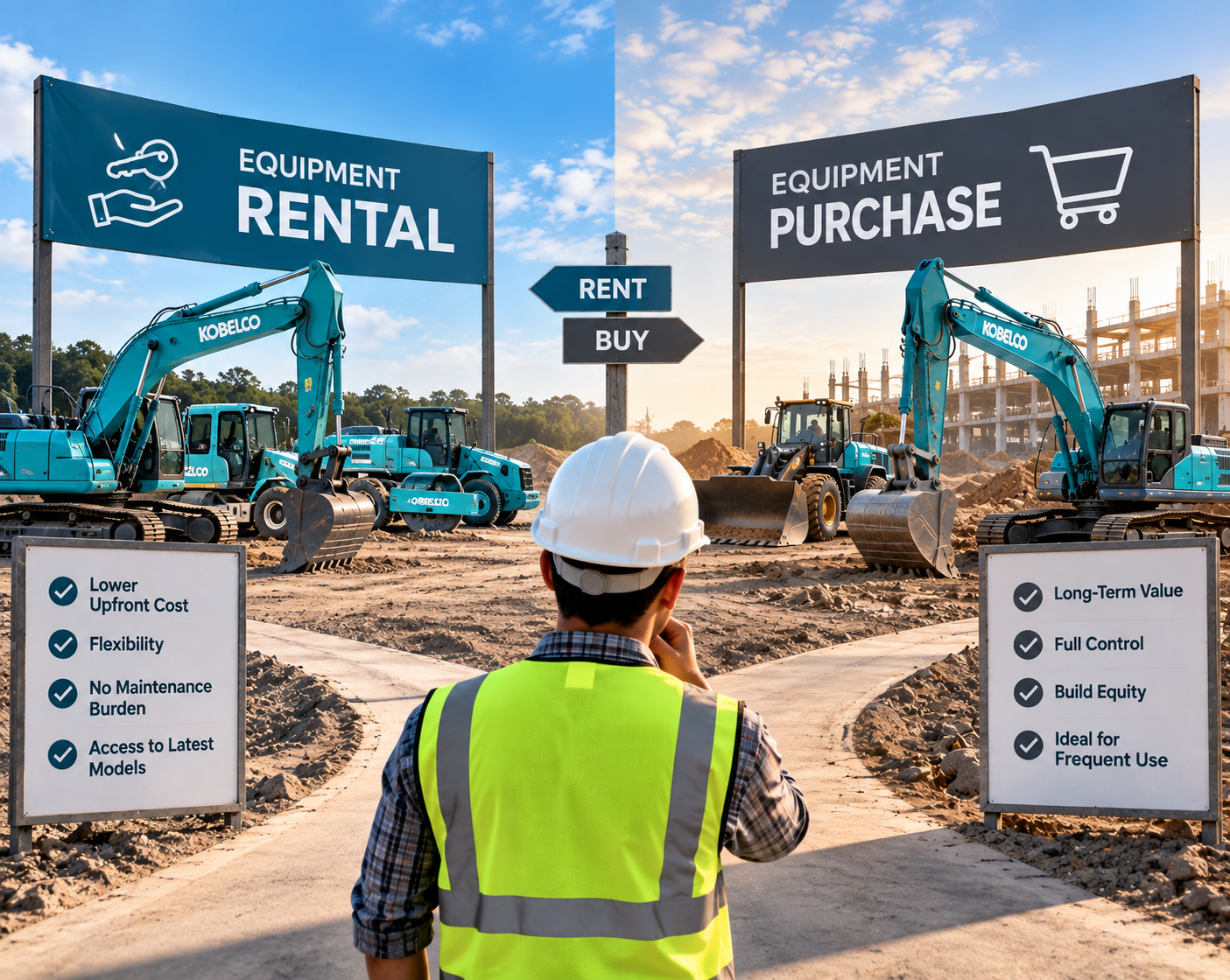
Choosing between construction equipment rental and equipment purchase depends on how often the machine will be used, how long it will be required and what the project demands. A contractor working on a short term project may have very different requirements from a business that operates the same type of equipment throughout the year.
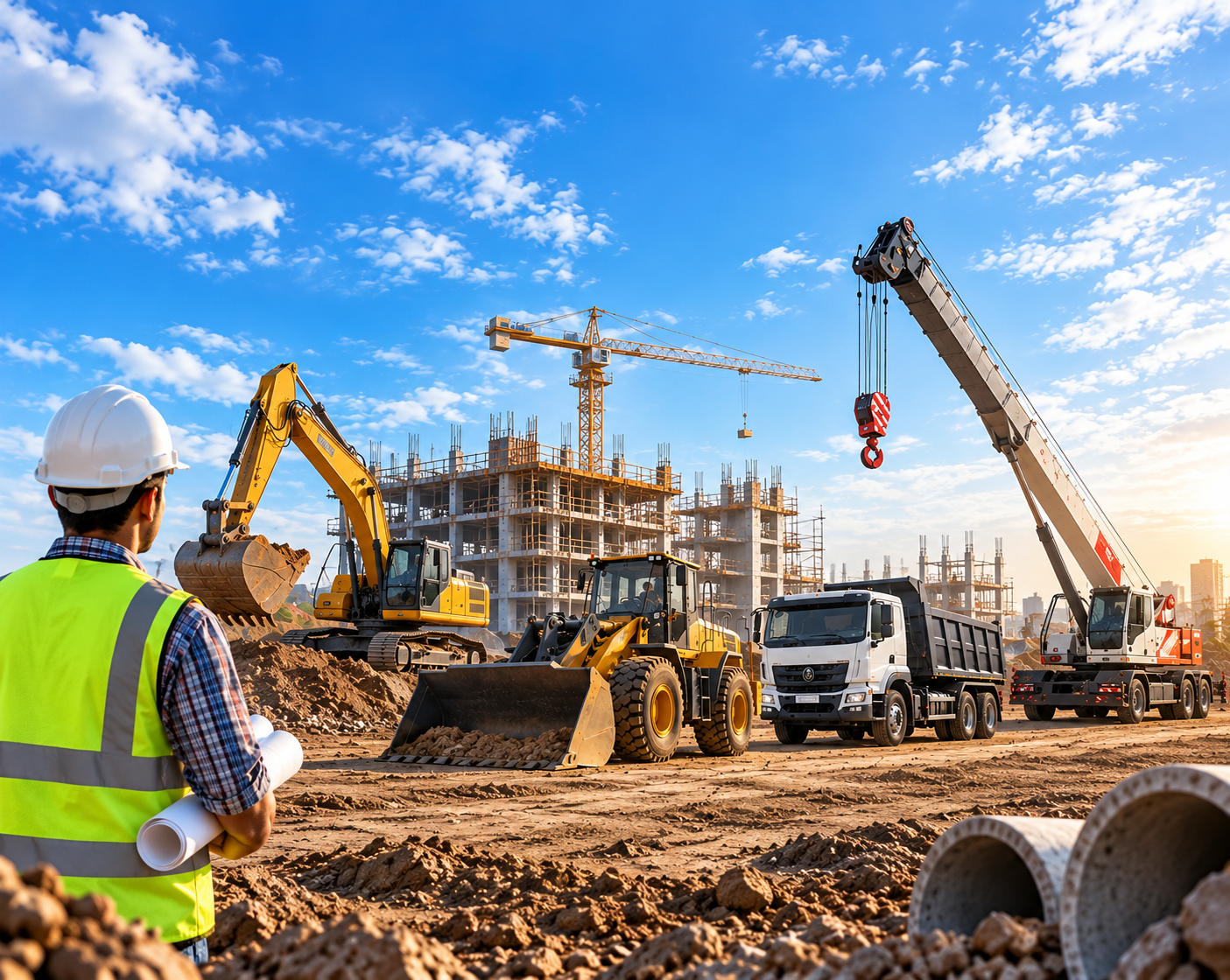
Excavators, cranes, telehandlers, material handling equipment, access platforms and other specialised machinery can involve a significant investment. Rental provides an alternative when purchasing a machine may not be suitable for the project or business.
The right decision starts with understanding the actual equipment requirement.
When Buying Equipment Makes Sense
Equipment purchase can be suitable when a machine is expected to be used regularly for an extended period.
For businesses with consistent equipment requirements, owning a machine can provide greater control over its availability. The equipment can be scheduled according to internal project requirements instead of being sourced for every individual assignment.
Ownership may also make sense when the equipment has a specialised configuration that is difficult to source on short notice.
However, purchasing equipment also involves more than the initial purchase price. Owners need to consider maintenance, spare parts, insurance, storage, transportation and other operating costs.
The expected utilisation of the equipment should therefore be considered before making a purchase decision.
When Equipment Rental Can Be Practical
Equipment rental can be useful when machinery is required for a specific project or a limited period.
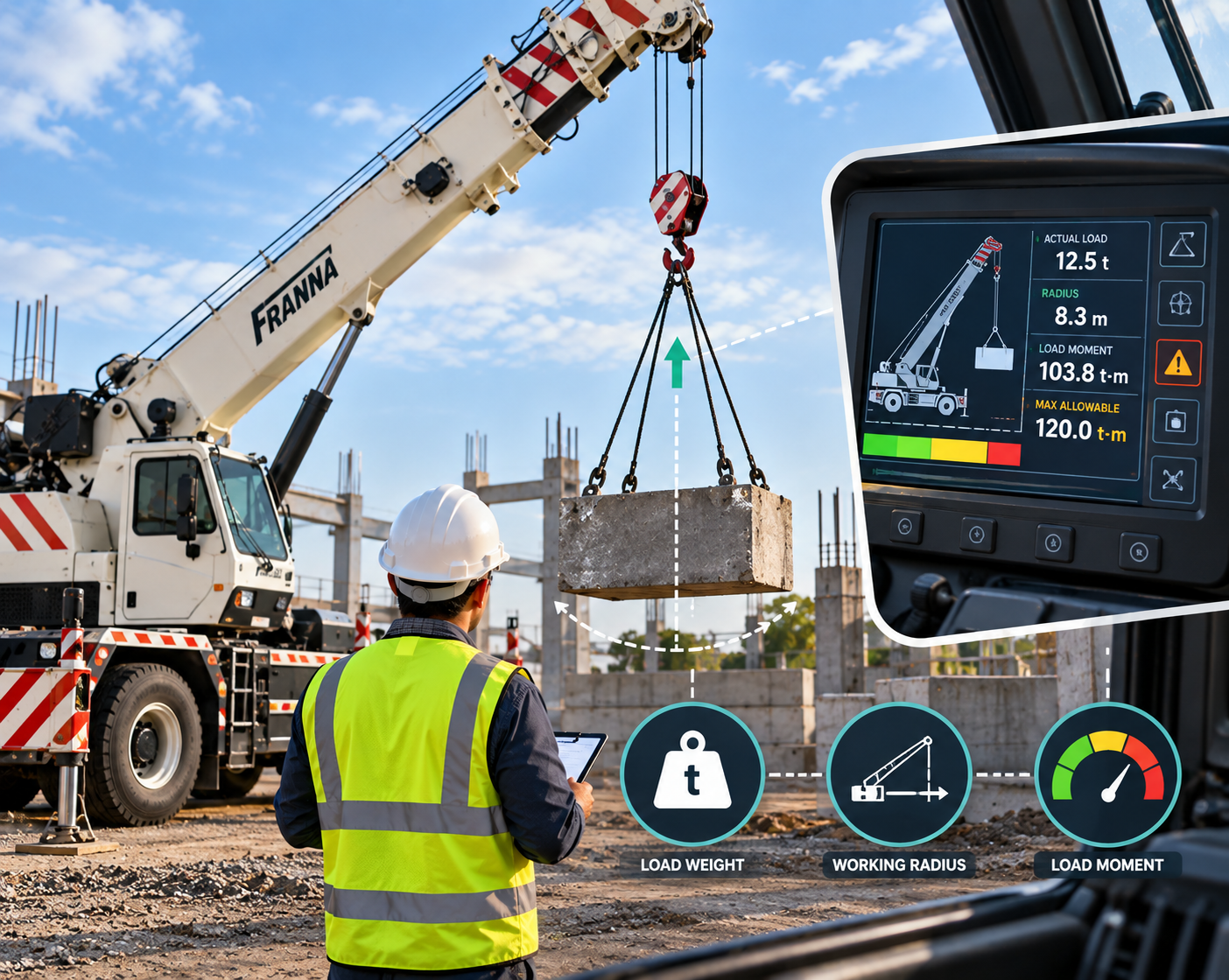
A contractor may need an additional excavator during a period of increased workload, a crane for a particular lifting requirement or a telehandler for a construction project. Purchasing a machine for a temporary requirement may not always be practical.
Rental can provide access to equipment without requiring the customer to purchase the machine outright.
AMC Infra Rentals LLP supports equipment rental requirements for businesses that need machinery for project based operations. The type of equipment available depends on the rental requirement and equipment category.
Project Duration Matters
The duration of a project is one of the first factors to consider.
For a short project, renting equipment may allow the contractor to access the required machine for the period it is needed. For longer term and regular usage, purchasing may become a more relevant option to evaluate.
There is no fixed duration at which rental becomes better than ownership. The decision depends on utilisation, rental rates, purchase cost, maintenance requirements and the expected future use of the machine.
A simple way to approach the decision is to estimate how many hours or days the equipment will actually be required rather than looking only at the overall project duration.
Consider Equipment Utilisation
Equipment utilisation is important because a machine that spends most of its time idle still carries ownership costs.
For example, a contractor may have a regular requirement for excavators but only occasionally need a specialised crane. Owning the excavators could be considered as part of the regular fleet, while renting the crane when required may provide more flexibility.
The same approach can apply to specialised material handling equipment, access equipment or other machines used for specific tasks.
Rental Can Help With Changing Project Requirements
Construction projects do not always follow the same equipment plan from beginning to end.
A project may start with excavation, move into structural work and later require material handling or lifting equipment. Equipment requirements can therefore change as the work progresses.
Rental can provide a way to bring additional machinery into a project when the requirement arises.
This can be particularly relevant for contractors working across different project types. Instead of maintaining every type of specialised machine in an owned fleet, rental can supplement existing equipment when necessary.
Maintenance and Service Requirements
Equipment ownership also means taking responsibility for maintenance.
Regular servicing, inspections, replacement parts and repairs are part of operating heavy machinery. For a business with its own workshop and maintenance team, these requirements may already be part of normal operations.
Rental can reduce the need for the customer to maintain ownership of the machine, although the exact maintenance responsibilities depend on the rental arrangement.
For any rental agreement, it is useful to understand what is included in the service, what the customer is responsible for and how breakdown situations are handled.
Choosing Equipment According to the Application
The equipment itself should match the work being performed.
An excavator may be suitable for excavation and earthmoving. A telehandler may be required for material handling at height. A pick and carry crane may be used where lifting and movement are both required. Material handling operations may require forklifts or other MHE solutions.
The machine should be selected based on the actual application rather than simply choosing the equipment with the highest capacity.
Consider the required capacity, reach, dimensions, site access, ground conditions and attachments before finalising a rental or purchase.
Rental and Purchase Can Work Together
The decision does not always have to be either rental or purchase.
Many businesses use a combination of owned and rented equipment. Regularly used machines can form part of the company’s own fleet, while additional or specialised equipment can be rented when a project requires it.
This approach can help businesses manage changing workloads without maintaining every possible equipment category in their permanent fleet.
What Should You Check Before Renting?
Before taking equipment on rent, confirm the machine’s specifications and suitability for the project.
Important points include:
- Required capacity
- Working height or reach
- Operating weight and dimensions
- Site access
- Required attachments
- Rental duration
- Transportation arrangements
- Maintenance and service responsibilities
- Breakdown support
- Availability for the required project period
The exact requirements will vary according to the equipment category and project.
Making the Decision
Equipment rental and equipment purchase both have a place in construction and industrial operations.
Purchase can provide long term access to equipment that is used regularly. Rental can provide flexibility when machinery is required for a particular project or for a limited period.
The most useful starting point is to understand the equipment requirement, expected utilisation and total operating cost.
AMC Group supports customers across different equipment requirements, while AMC Infra Rentals LLP focuses specifically on equipment rental needs. By evaluating the project requirement first, contractors can decide whether a machine should be purchased, rented or combined with their existing fleet.